Coaching collaborative leaders on a mission since 1992.
Signed in as:
filler@godaddy.com

This resource explains how educators can strengthen collaboration through collaborative leadership to improve school culture and student learning outcomes.
It highlights that effective collaboration is a leadership practice built on specific skills, relationships, and reflective habits. The book presents 14 phases of collaboration and shows how educators can:
- Develop the knowledge and personal qualities needed for strong collaboration
- Build meaningful relationships with colleagues, students, and the wider school community
- Strengthen partnerships that support teaching and learning goals
- Integrate collaboration and reflection into everyday leadership practice
Overall, it argues that when collaboration is practiced intentionally and consistently, schools become more connected and effective, better positioned to utilize various educational resources and support student achievement.
The pin has two levels of significance:
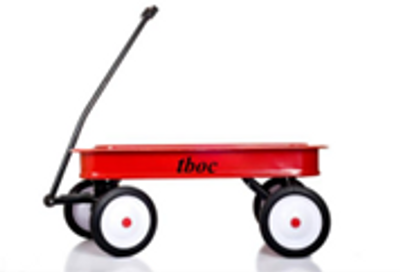
The little red wagon symbolizes a reminder to adults of our childhood and the collective civic responsibility we all bear to find the best ways to contribute to the well-being and education of today’s children. It’s the job of educators, the pin reminds us, to foster collaborative leadership by getting all those grownups to pile into the wagon. Each of us must reach back, grab the handle, and pull everyone along in aligned support of children’s learning and well-being. This embodies what I refer to as ‘educators as leaders.’
The “tboc©” on the wagon stands for The Benefit Of Children©: the criterion we should use as educational resources to guide us in daily decision-making, whether for big decisions or small ones.
These metal lapel pins are meaningful, colorful, and indestructible. They serve as brilliant teaching tools and beautiful gifts, making them excellent leadership resources.
These pins make great giveaways and discussion-starters for nearly everyone who has ever been a child!

To ensure we are not talking past each other, sometimes all we need is a simple rule that fosters collaborative leadership—a principle we can all agree upon, allowing us to find the common ground necessary for effective collaboration.
When we engage in debates over important issues, we can make more informed decisions by centering our discussions around The Benefit Of Children©. This approach utilizes educational resources that highlight how prioritizing children can guide us toward better choices.
It isn’t all that complicated. We’ve all witnessed how straightforward organizing principles—like 'It’s the economy, stupid!' or 'Show me the money!'—help unite people around shared priorities, informing our vision and enhancing the leadership resources we possess.
The principle of tboc© asks us for one crucial leap of faith: we must agree that decisions favoring the wellbeing of children are superior to those that do not give equal weight to children’s wellbeing. That’s it!
Once we adopt tboc© as our foundational principle, we establish a clear criterion for making our public decisions: Is the choice before us better or worse for children compared to its next best alternative? This commitment paves the way for effective collaborative leadership that prioritizes the interests of our youth.

What if you could develop your leadership skills while working on the real collaboration you're responsible for leading?
The ICL Collaborative Leadership Lab™ helps leaders turn collaboration into practical leadership—and real work into real learning.